Festivals are where Türkiye's identity shines brightest.
- It offers beautiful coasts, ancient ruins and striking landscapes.
- Competitive labour costs attract manufacturing and investment.
- Tourism contributes significantly to the economy.
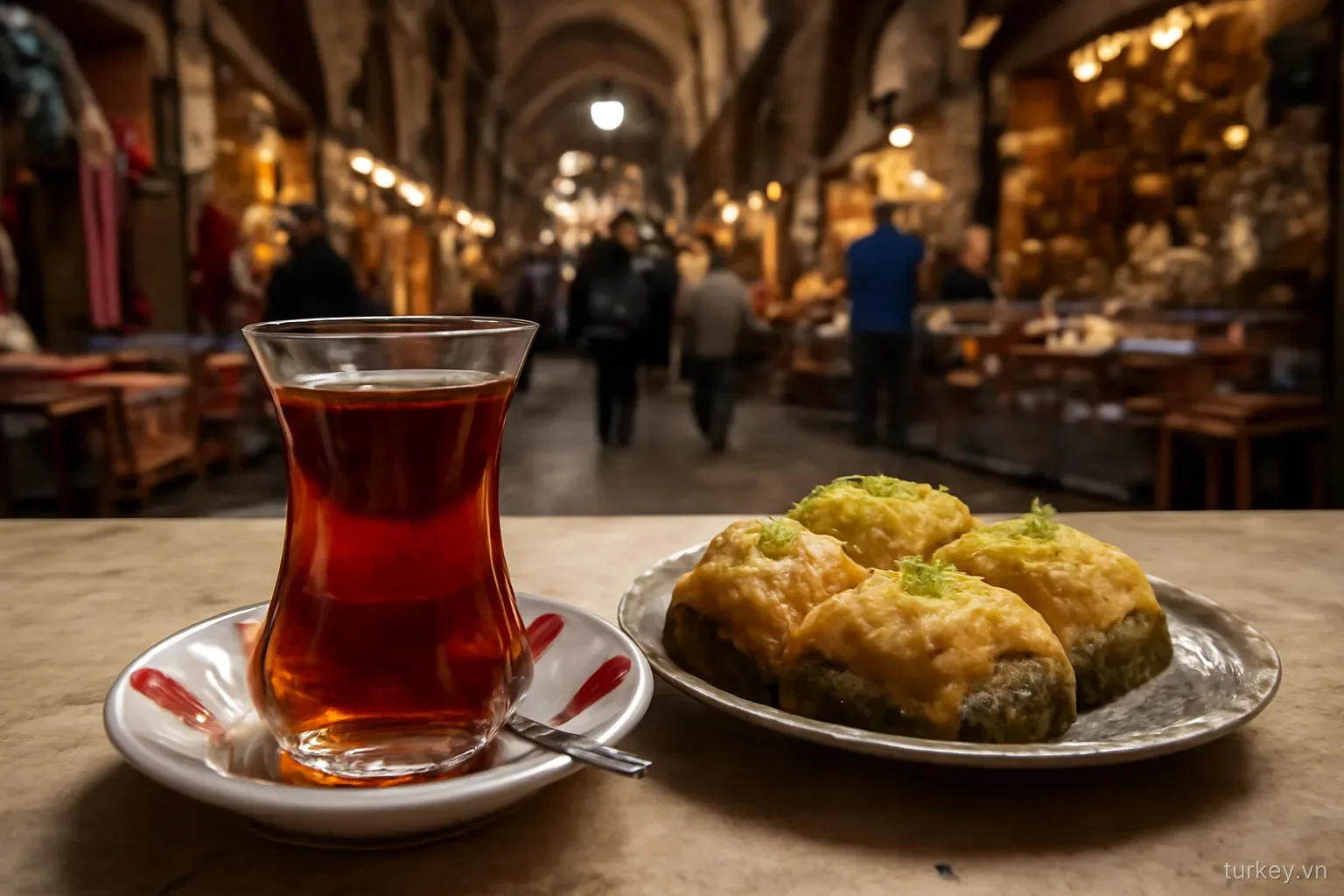
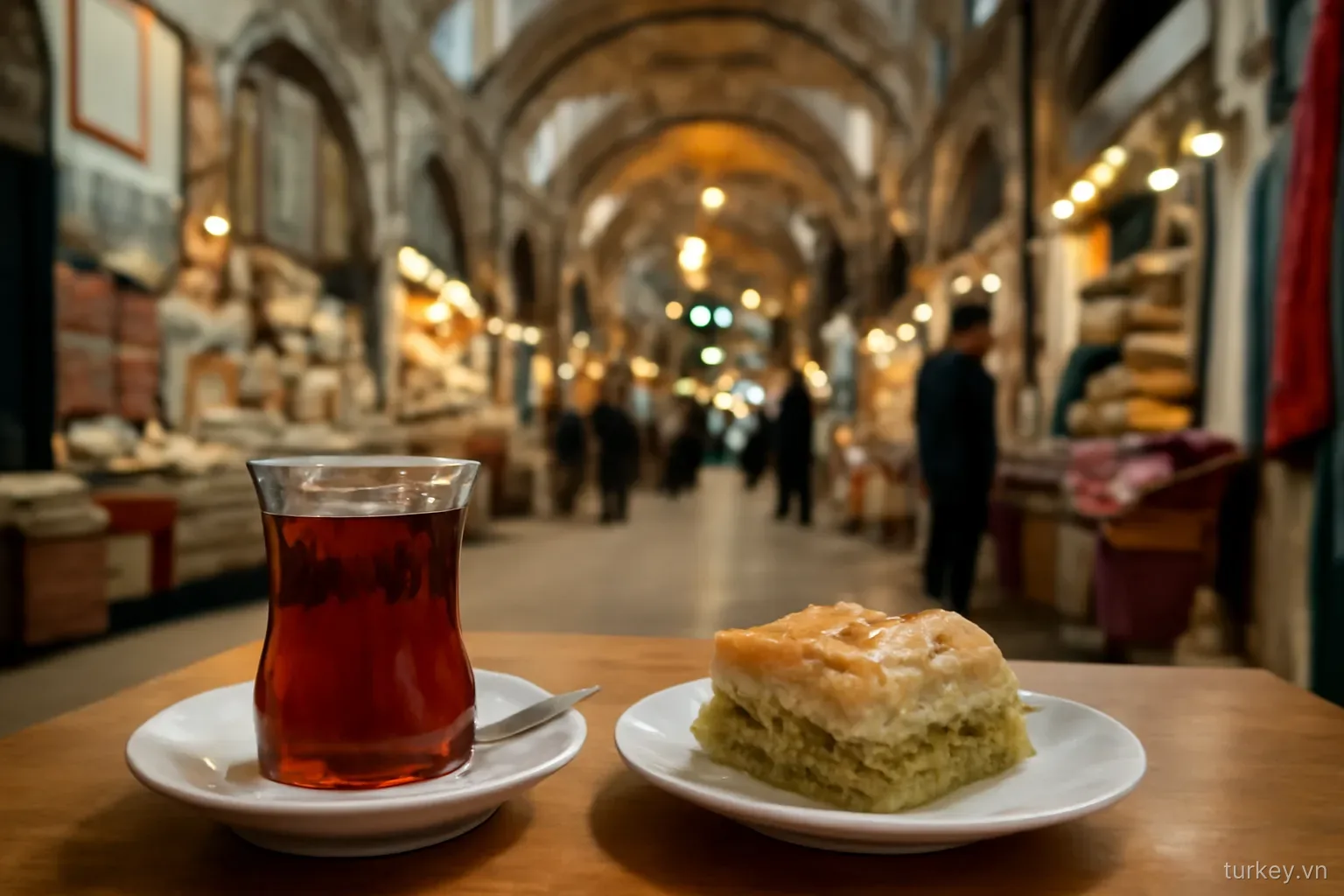
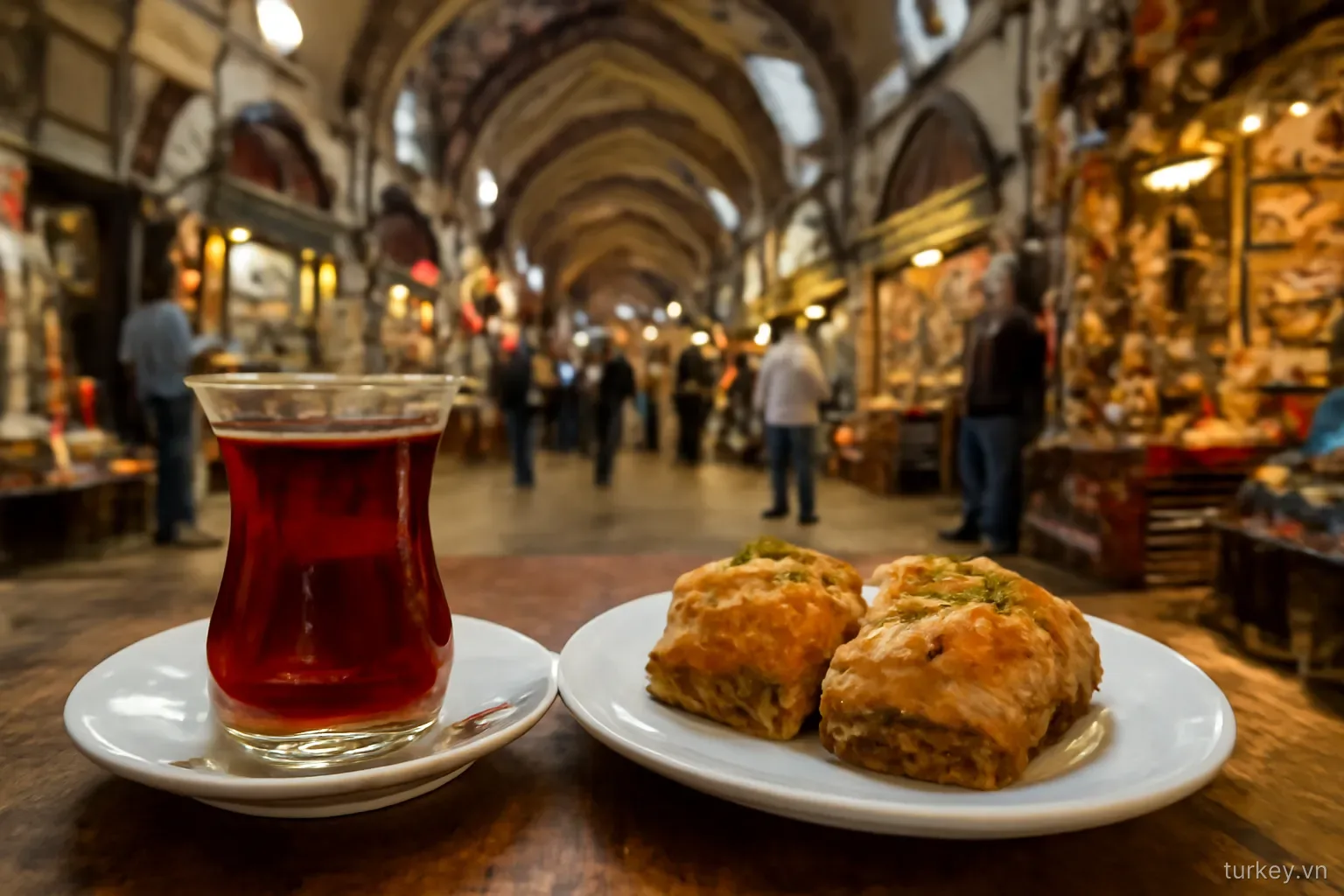
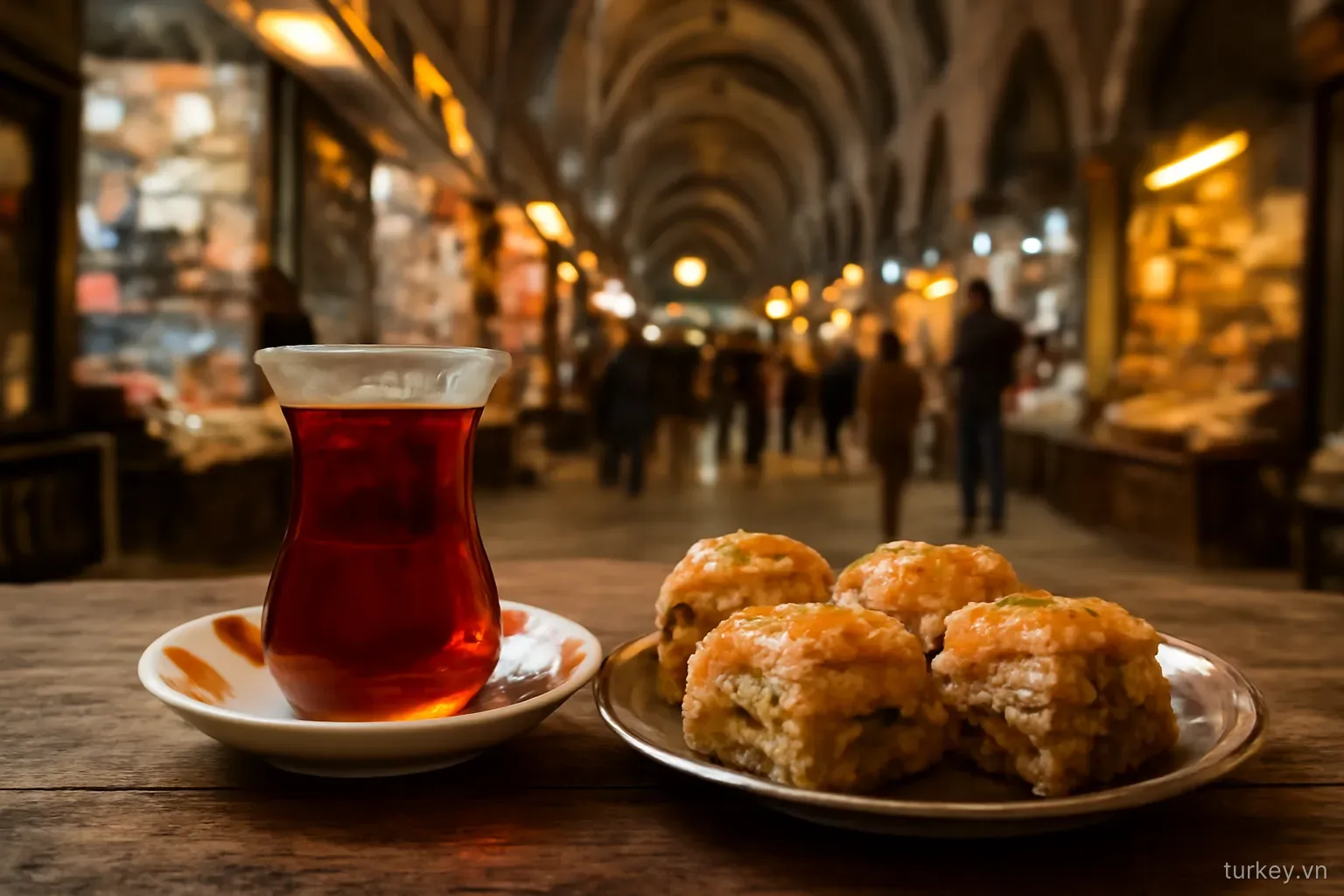
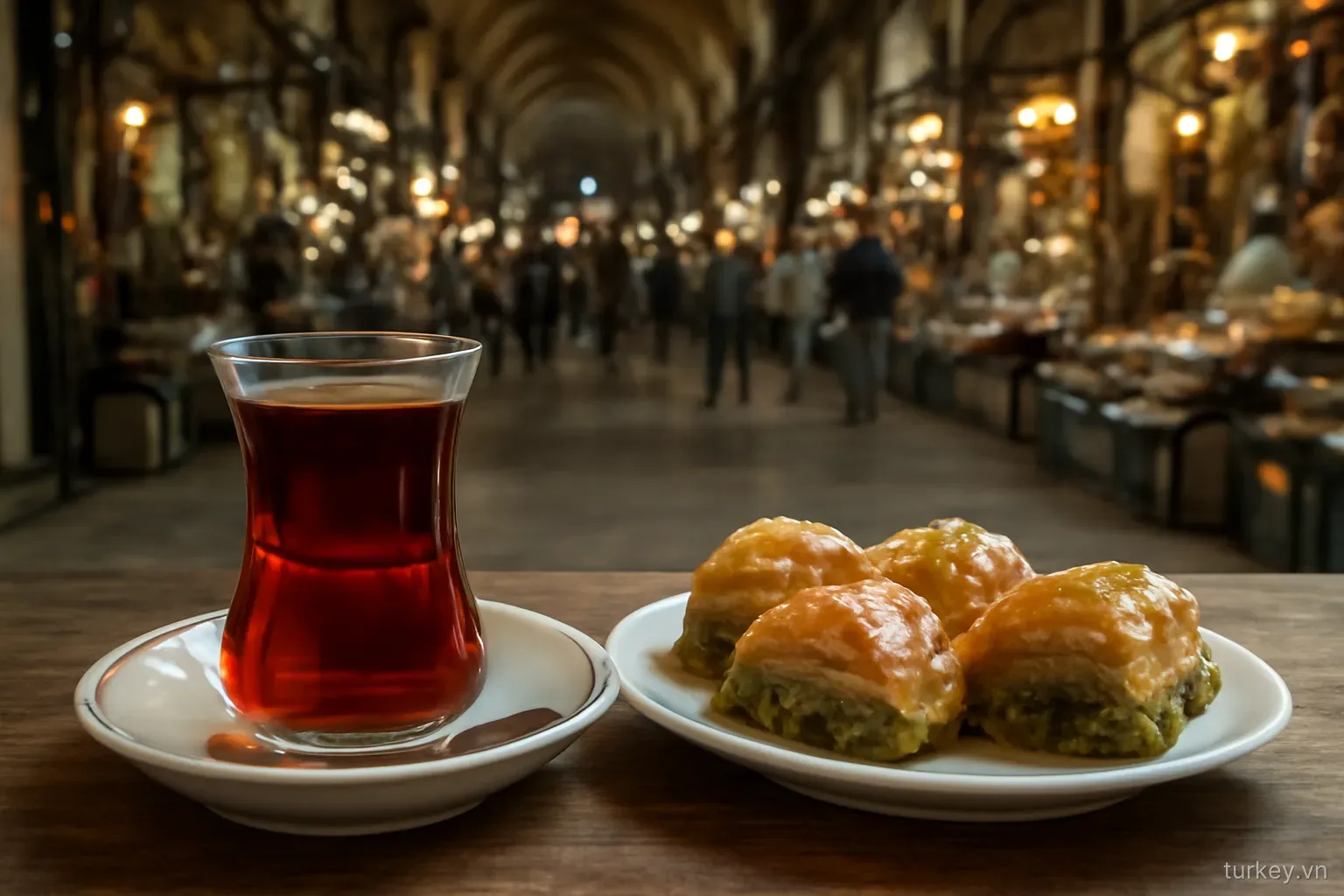
Turkish tea and coffee, the latter UNESCO-listed, are part of daily culture.
The cuisine is rich, with kebab, baklava and mezze.
Traditional festivals
Mosques and monuments reflect a long history.
- Family and community play a central role in daily life.
- Türkiye is a crossroads of East and West with vast Ottoman heritage.
- Most people are Muslim, while urban life is quite modern.
- Hospitality is a deeply held value.
- Traditional bazaars and hand-woven carpets are renowned.
Holiday customs
Religious and cultural festivals take place throughout the year.
Türkiye bridges Europe and Asia and borders several seas.
The capital is Ankara, while Istanbul is the largest and most famous city.
Weddings and family rites
It has a population of about 85 million, with Turkish as the main language.
The currency is the Turkish lira (TRY).
The climate is varied, from Mediterranean coasts to an inland plateau.
Traditional dress
A domestic market of 85 million people is a major economic advantage.
Its Eurasian location gives Türkiye a key trade and geopolitical role.
The country is rich in Roman, Byzantine and Ottoman heritage.
Experiences for visitors
Vietnamese travellers need a visa to visit Türkiye.
The country is vast, so plan your trip region by region.
Spring and autumn are the most comfortable seasons to travel.
Need a tailored roadmap?
Viking Global Group walks with you from paperwork to settlement. Call +849.219.219.88 or email [email protected] for a free consultation.
Related articles
- School and university in Türkiye: choosing the right stage
- Seasons in Türkiye: when to go
- Culture & People
Frequently Asked Questions
Can tourists join festivals?
Ways for visitors to take part are suggested above.
Information is for reference and may change under the latest official policy. Please contact us for current regulations.